Thrift shopping has grown far beyond a simple money saving method. Across the country, secondhand shopping has become a major part of retail, notably among younger shoppers who are looking for affordable clothing, unique styles, and alternatives to traditional stores. What was once primarily seen as bargain shopping is now becoming a regular shopping habit.
According to Capital One Shopping, the U.S. secondhand market reached $56 billion in 2025 in addition to finding that about one-third of clothing purchases in the United States are now secondhand. Capital One also stated that 83% of Generation Z shoppers either thrift regularly or have interest in thrifting, highlighting its popularity among younger generations.
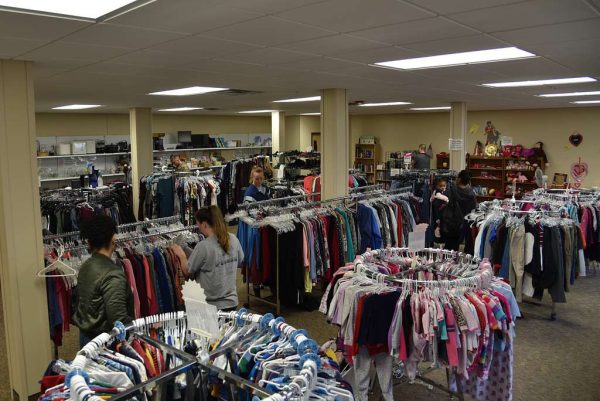
For many shoppers, one of the biggest appeals of thrifting is variety. Unlike major retail stores, thrift stores typically offer one-of-a-kind items, changing inventories, and clothing styles that shoppers may not see elsewhere.
Freshman Emma Stradiat, who shops at thrift stores occasionally, said she enjoys finding clothing that stands out.
“You can say there are more good clothes—you have stuff you aren’t seeing everywhere else,” Stadiat said. “Maybe my clothes are good, but I’ll see something that’s looking extra fine.”
Freshman Michaela Mooberry, another shopper interviewed on the topic, said thrift stores stand out because of the wide range of options available.
“It’s the variety,” Mooberry said. “There’s a good variety, and I’d say stores like Plato’s Closet have higher quality items and more name-brand clothes.”
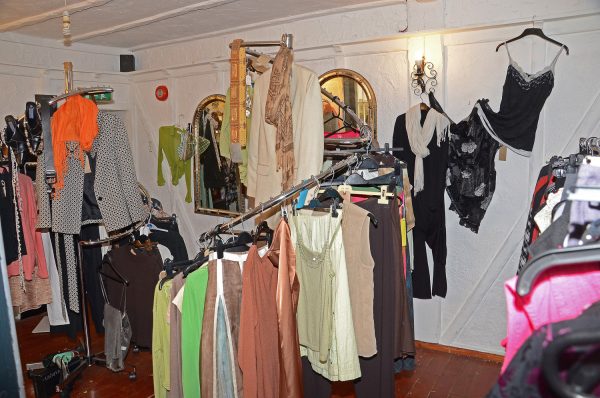
(Photo from Framlingham Camera Club)
Mooberry also noted that location can affect what shoppers find. Different neighborhoods often give different donations, meaning inventory can vary greatly from one thrift store to another, making each shopping trip feel different.
Affordability is another major reason thrifting continues to gain popularity. As prices continue to rise, secondhand stories offer shoppers access to quality clothing at lower prices. Many consumers are also becoming more aware of sustainability, choosing secondhand clothing as a way to reduce waste and extend the life of clothing items.
While people shop secondhand for different reasons, thrift has become more than a passing trend. For many consumers, it is now a regular and growing part of everyday shopping.