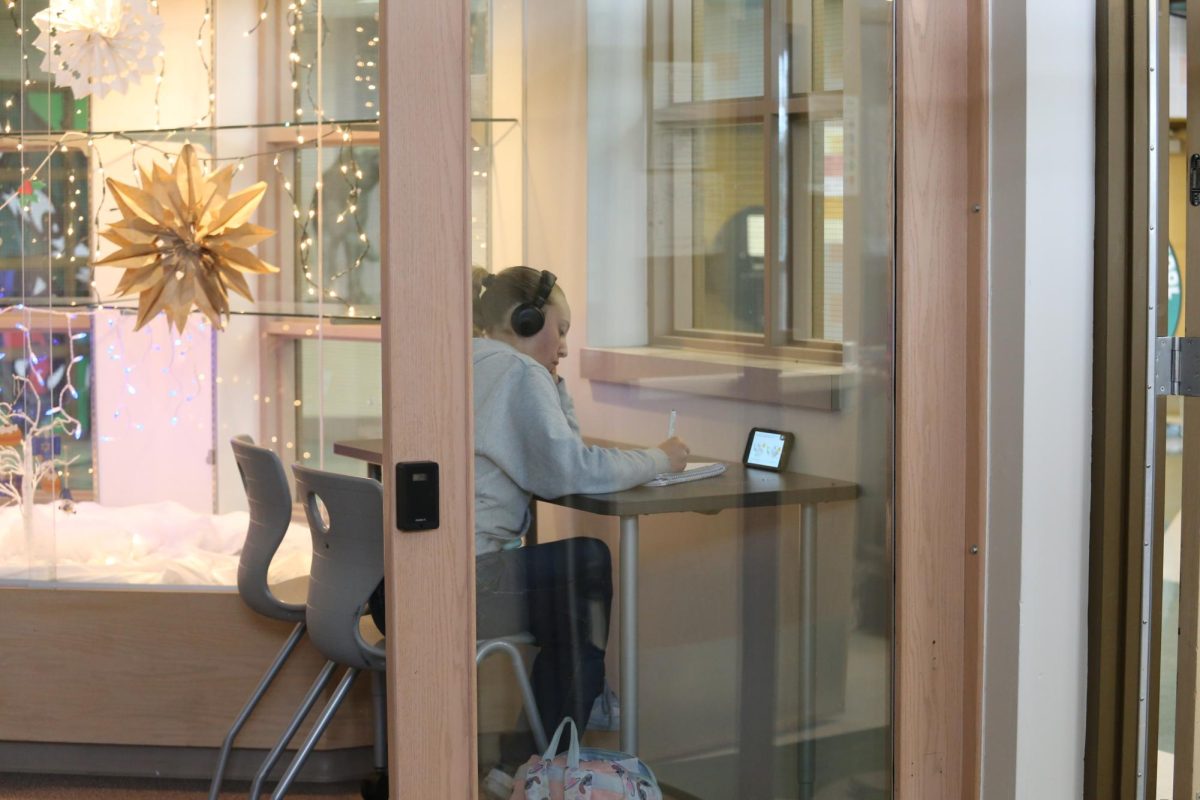
With finals approaching, students are turning to a variety of strategies to help them manage stress, strengthen understanding, and improve their performance in the classroom. While traditional methods still play a role, many are beginning to rethink how they study and how they prepare in the weeks leading up to exams.
One of the most common approaches this season is looking back at old tests. Reviewing past assessments gives students a clearer picture of how material is presented, what types of questions usually appear, and which concepts their teachers tend to emphasize. For many, it serves as a starting point for planning out the rest of their studying.
Beyond checking old work, students are shifting their focus from simple review to deeper engagement with their notes, according to Stanford. Instead of skimming pages and hoping the information sticks, they are asking more complex questions regarding the material and reinforcing the reasoning behind each concept. Many have found that understanding the “why” behind a lesson often makes studying more efficient than memorizing isolated facts.
Studying alongside a partner is also an effective method of preparation. Working with someone else allows students to test each other, compare interpretations, and break down difficult material together. The added accountability—and the chance to make studying more enjoyable—prevents from falling into the procrastinative habit.
Organization continues to be a key part of successful preparation. Many students are planning ahead by mapping out their studies, narrowing their focus to what’s critical, and using short breaks to maintain energy. Clean, distraction-free study spaces are the ideal study environment, as is the habit of changing locations when focus begins to fade.
Students are also leaning on resources that are already available to them. Academic tutoring, peer support, and classroom review sessions in labs, the learning center, and library all offer additional guidance during the busiest weeks of the semester. Music plays a role as well, with many choosing background playlists to make long study sessions feel more manageable. Based on a poll, 43% of students said that they prefer to listen to pop and country music while studying, 17% preferring relaxed, and 17% preferring rock/metal, the rest being mixed among other genres.
To stay motivated, some students are introducing small rewards into their routines—snacks, short TV breaks, or time with friends after a productive session. Others are setting individual goals for each study period to keep themselves moving forward without feeling overwhelmed.
As the semester progresses, time management becomes increasingly important. Students are beginning with shorter daily study periods and gradually increasing them as finals grow closer. Limiting distractions, notably scrolling and multitasking, helps maintain focus and prevents study time from stretching late into the night.
With a combination of structure, consistency, and intentional study habits, students are preparing not only for upcoming finals but also for healthier, more effective learning in the future.